Why Mailing Checks Is Becoming a Bigger Fraud Risk — And What You Can Do About It
Check fraud is rising sharply, and mailed paper checks are one of the easiest targets.
Digital payments may be the norm, but many businesses and individuals still rely on paper checks for vendors, taxes, rent, and other transactions. That habit has made checks an attractive target for criminals.
The scale is significant. According to the Financial Crimes Enforcement Network (FinCEN), banks filed more than 350,000 check-fraud-related suspicious activity reports in 2021, then over 680,000 in 2022 — nearly double in a single year. Much of that activity involves checks stolen from the U.S. Mail. Recent reporting from The New York Times, along with guidance from banking and fraud-prevention authorities, points to the same trend.
If you still mail checks, a few extra precautions can go a long way toward protecting yourself.
How Check Fraud Happens
One of the most common forms of fraud today begins with stolen mail.
Criminals may remove checks from residential mailboxes or public USPS collection boxes. In more sophisticated operations, large quantities of mail are stolen and sold to organized fraud rings.
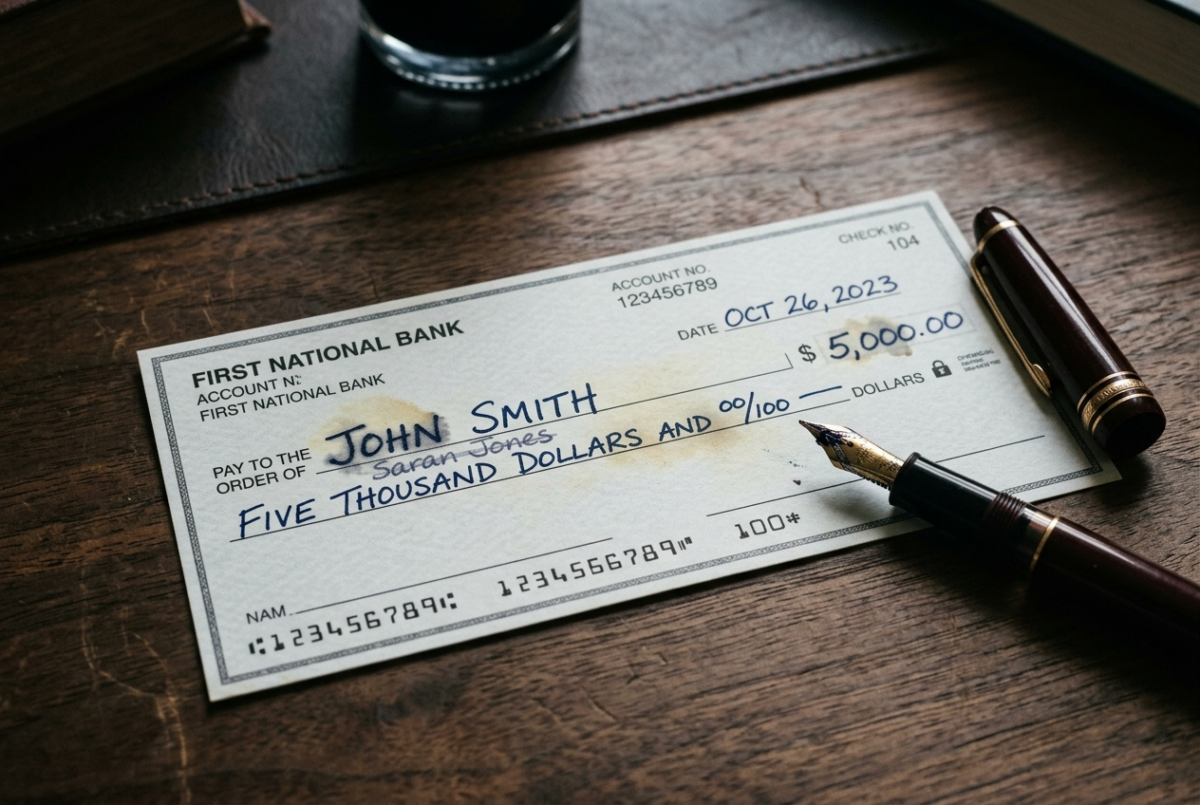
Once a check is stolen, fraudsters often use a process known as “check washing.” Chemicals are used to erase the original payee and, in some cases, the dollar amount. The altered check is then made payable to someone else and deposited or cashed before the account holder realizes anything is wrong.
Because many people no longer review individual check images, these fraudulent transactions can go unnoticed for weeks — or even months.
Why Timing Matters
The sooner fraudulent activity is reported, the better the chances of recovering the funds.
Most financial institutions require customers to report unauthorized transactions within a specific timeframe outlined in their account agreement. Waiting too long may limit your ability to dispute the transaction or receive reimbursement.
For that reason, it’s important to:
- Review your bank statements as soon as they’re available.
- Look beyond the transaction list and review images of cleared checks.
- Report any unfamiliar or altered checks to your financial institution immediately.
Best Practices to Reduce Your Risk
While no method eliminates fraud entirely, these steps can significantly reduce your exposure.
Use Electronic Payments Whenever Possible
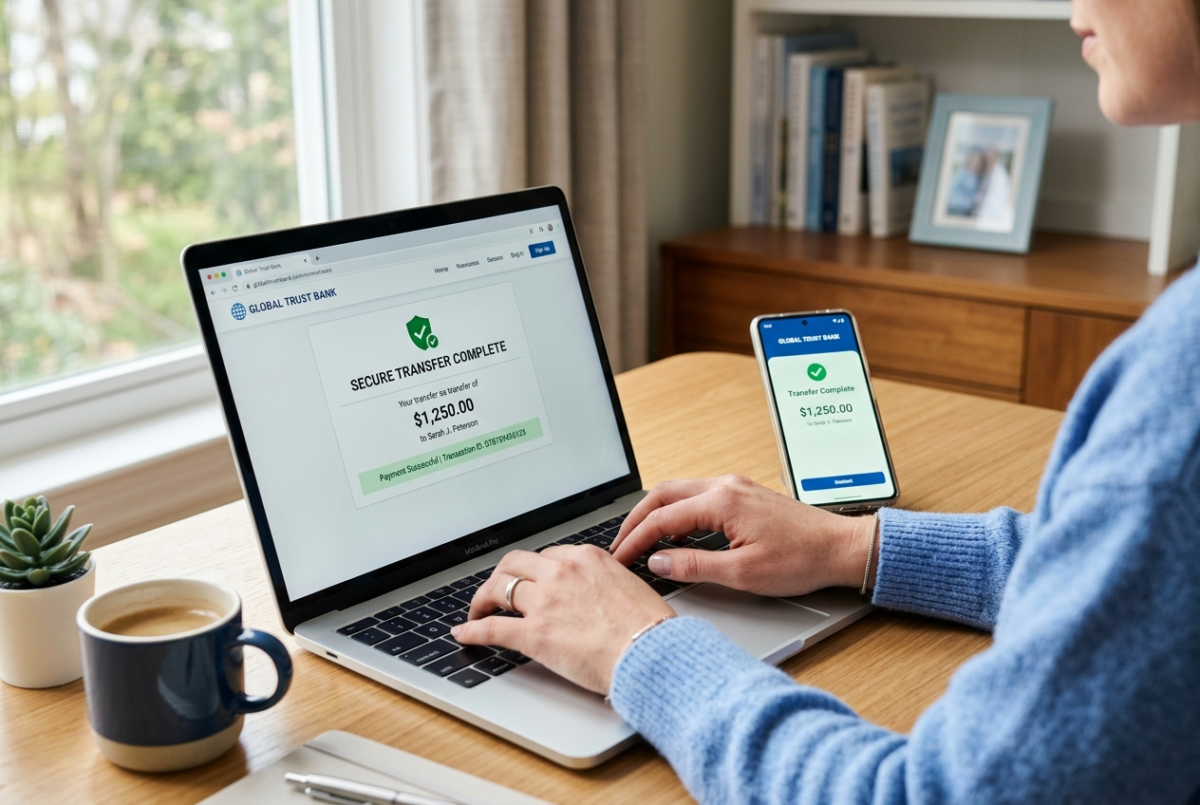
ACH transfers, online bill pay, wire transfers, and secure payment portals generally offer greater security than mailing paper checks.
Many state and federal agencies — including tax authorities — now offer secure electronic payment options. The federal government is moving the same direction: the IRS is phasing out paper refund checks in favor of direct deposit.
Avoid Leaving Checks in Residential Mailboxes
If you must mail a check:
- Take it directly inside your local post office whenever possible.
- Avoid placing outgoing checks in your home mailbox overnight.
- Be cautious using public blue collection boxes, particularly after pickup times.
Write Checks With Permanent Gel Ink
Banks and fraud experts recommend permanent gel ink because it is more resistant to chemical alteration than standard ballpoint ink.
Monitor Your Accounts Regularly
Review your accounts frequently rather than waiting until month-end. Many banks also allow customers to:
- Set transaction alerts.
- Receive notifications for check clearing.
- View digital images of processed checks.
- Enroll in Positive Pay or other fraud prevention services (commonly available for business accounts).
These tools can help identify fraudulent activity much earlier.
What To Do If You Suspect Check Fraud
If you discover a suspicious transaction:
- Contact your bank immediately.
- Ask to file a fraud claim and stop payment on any outstanding checks if appropriate.
- Document when the check was mailed, its intended recipient, and the amount.
- File a report with the U.S. Postal Inspection Service if the theft involved mailed items.
- Continue monitoring your account for additional unauthorized activity.
Acting quickly can improve the likelihood of recovering stolen funds.
Bottom Line
Paper checks still serve a purpose, but they also carry increasing fraud risk. Whenever practical, electronic payment methods provide a safer alternative.
If mailing a check is unavoidable, a few simple precautions — using secure mailing methods, reviewing cleared check images, and monitoring your account regularly — can help reduce the risk of financial loss. Staying proactive is one of the most effective ways to protect both your finances and your business.
Frequently Asked Questions
What is check washing?
Check washing is a form of fraud in which criminals use chemicals to erase the payee — and sometimes the dollar amount — on a stolen check, then rewrite it so the funds go to them.
How do I know if my mailed check was stolen?
Watch for checks that never reach the recipient, cleared checks with an altered payee or amount, or clearing amounts that don’t match what you wrote.
What should I do first if I suspect check fraud?
Contact your bank immediately to file a fraud claim and stop payment, then report mail-related theft to the U.S. Postal Inspection Service.
Are electronic payments safer than mailing checks?
Generally, yes. ACH transfers, online bill pay, and secure portals remove the check from the mail stream, where most theft occurs.
Does gel pen ink really help?
Yes. Permanent gel ink bonds to the paper and resists the chemical “washing” fraudsters use far better than ballpoint ink.
Sources & Further Reading
- FinCEN — Alert on the Nationwide Surge in Mail Theft-Related Check Fraud
- U.S. Postal Inspection Service — reporting mail theft and check fraud
- American Bankers Association — check fraud resources
- The New York Times — reporting on mail-related check fraud (June 26, 2026) (subscription may be required)
Worried about check fraud or ready to move payments to more secure electronic methods? The team at Greenwood Ohlund can help you put the right safeguards in place. Contact us today.