































SUPPORTING YOUR MISSION

Accounting, Tax & CFO Services for Real Estate Developers

From project-level accounting to entity structuring and construction draws, we handle the numbers behind every development.

Serving Seattle-area real estate developers since 1971 · Licensed WA CPAs

Accounting Built Around How Developers Actually Operate

Greenwood Ohlund is a real estate development CPA for developers and principals running ground-up and value-add projects across the Seattle area. Every project usually sits inside its own single-purpose entity, and consolidating those entities into one clear picture takes more than combining spreadsheets. Construction draws need to match what lenders expect to see, development costs have to be capitalized correctly during construction, and investor waterfalls have to reflect actual promote structures, not a rough estimate.


We also handle the entity structuring, construction draw accounting, and investor and JV reporting that keeps every project and every partner’s numbers accurate, along with the tax planning that keeps more of what you build.

Business professional reviewing investor reports and project budgets at a desk

OUR CLIENTS

The Challenges Real Estate Developers Face — and How We Help

We consolidate your project entities into one clear financial picture, with intercompany transactions eliminated correctly, so you see how the whole portfolio performs, not just one deal at a time.

We tie your draw requests to your Schedule of Values and lender-approved budget line by line, so documentation gaps don’t hold up a disbursement.

We capitalize development costs, including interest during construction, the way UNICAP requires, so your basis is right from day one instead of getting corrected at sale or refinance.

We calculate distributions against your actual waterfall structure and report each partner’s capital account accurately, so K-1s reflect what the operating agreement really says.

What Makes Real Estate Developers Accounting Different

Development costs, including interest during construction, have to be capitalized under UNICAP rather than expensed as incurred, which changes your basis and your timing on every project. Partnership and JV agreements often include special allocations and waterfalls under §704(b), so your K-1s have to reflect what the operating agreement actually says, not a simple pro-rata split. Cost segregation and bonus depreciation can accelerate real savings once a project is placed in service, and 1031 exchanges or Opportunity Zone structures can defer or reduce tax on the back end.

Washington’s real estate excise tax applies to more than direct property sales. A controlling interest transfer, a 50% or more change of ownership in an entity that owns real property, triggers REET too, even when the deed never changes hands. We also handle multi-entity consolidations, intercompany eliminations, and the K-1 and capital account reporting your investors expect.

Desk with entity formation and legal documents for real estate compliance review

We serve businesses like yours

Businesses Like Yours

We work with a wide range of real estate developers, including:

Why Real Estate Developers Choose Greenwood Ohlund

We provide the accounting, tax, and CFO support real estate developers need to structure entities, manage construction draws, and report to investors and lenders, without adding unnecessary complexity to how you run your projects.

Decades in construction and real estate accounting

We’ve been doing this since 1971.

Tax, audit, accounting, and CFO expertise, one firm

Most firms our size don’t offer all four under one roof. You get a tax team, an audit team, and a CFO-level advisory team who already talk to each other, instead of coordinating three separate vendors yourself.

Seattle-rooted, with clients across Washington and beyond

We’re based in Seattle and built around the Pacific Northwest, with clients in other states when the relationship calls for it.

A relationship that runs all year, not just tax season

We’re recognized as a Peak Firm and a PSBJ Washington’s Best Workplaces honoree, and that same culture shows up in how we work with clients: regular conversations and actual availability, not a firm you hear from once a year.

Your Real Estate Developers Team

RECENT NEWS

Latest Updates and Insights from Greenwood Ohlund

CFO presenting financial information at a board meeting

Why Your CFO Should Attend Board Meetings

Better Financial Oversight, Transparency, and Governance Should the CFO Attend Board Meetings? In most organizations, yes, the CFO or senior financial leader should regularly participate in Board meetings, particularly when financial performance, budgets, forecasts, cash flow, organizational risk, or long-term strategy are being discussed. The reason goes well beyond presenting financial statements. Having the CFO at the Board table creates

Read More »

Switching Banks? What Small and Medium-Sized Organizations Should Consider

Changing banks can create meaningful benefits for a small or medium-sized organization. A new banking relationship may offer better technology, improved customer service, lower fees, stronger fraud controls, greater borrowing capacity, or products that better support the organization’s growth. However, switching banks is rarely as simple as opening a new account and transferring the cash. Bank accounts are often connected

Read More »
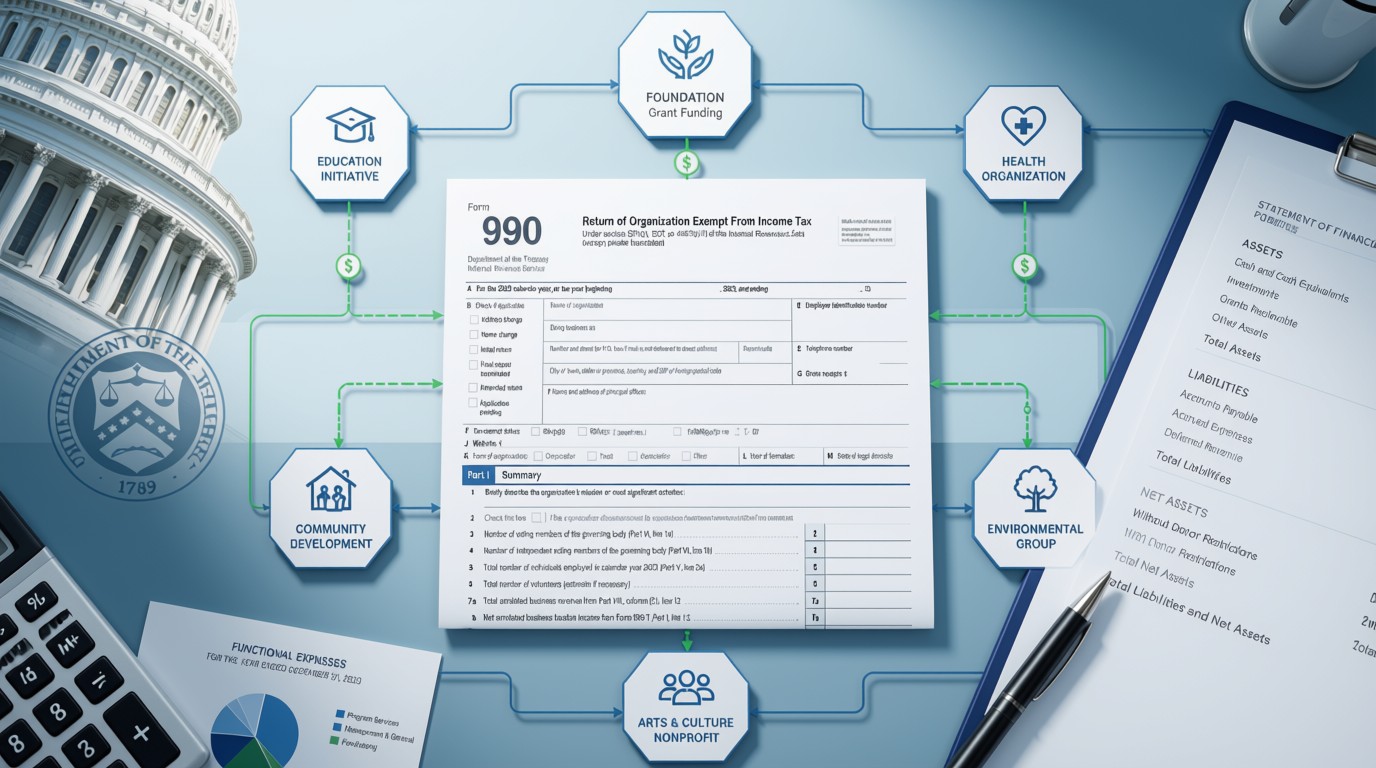
IRS Form 990 transparency changes affecting nonprofit fiscal sponsorship reporting

The Form 990 Rarely Changes – So Why Is Everyone Talking About Fiscal Sponsorships?

Key Takeaway: While no new Form 990 reporting requirements have been proposed, recent statements from the U.S. Department of the Treasury suggest the IRS is taking a closer look at how nonprofits receive and manage funding. Now is a good time to review your gift acceptance procedures—particularly for fiscal sponsorships—to ensure your organization is well positioned if future reporting or

Read More »
Recent News

Latest Updates and Insights from Greenwood Ohlund

University Child Development School

Client Spotlight Q&A: University Child Development School

When did GO start working with UCDS, and how has this partnership evolved over the years?
 GO has proudly partnered with UCDS since 2022 to support the school’s financial stewardship and long-term sustainability. Over time, that partnership has evolved alongside the school’s growth and continued focus on innovative education, strong governance, and mission-driven planning. In what ways does the GO

Read More »
Ballard Food Bank

Client Spotlight Q&A: Ballard Food Bank

Ballard Food Bank When did GO start working with Ballard Food Bank, and how has this partnership evolved over the years? GO has proudly partnered with Ballard Food Bank since 2010, beginning with onsite monthly accounting support. In 2020, our relationship evolved to providing their annual audit and Form 990 preparation. In what ways does the GO Team support the

Read More »
FAQ

Real Estate Developers Accounting FAQs

Most developers use a single-purpose entity for each project, isolating liability and simplifying investor accounting for that deal alone. We help structure real estate entities, LLCs, JVs, or partnerships, around your tax and liability goals.

Construction draw accounting ties your loan disbursement requests to your Schedule of Values and lender-approved budget, so funds release without documentation gaps holding up the process. As a real estate development CPA, we manage that process for you.

Direct and indirect production costs, including interest during construction, generally have to be capitalized under UNICAP rather than expensed as incurred. We determine what’s capitalized and what’s deductible on your specific project.

Cost segregation separates a building’s components into shorter depreciation classes, accelerating deductions instead of depreciating everything over 27.5 or 39 years. We run that analysis once your project is placed in service.

Distributions get calculated against the waterfall structure in your operating agreement, not a flat pro-rata split, and each partner’s K-1 has to reflect that. We handle the calculations and the reporting together.

Yes, on most property sales, and also on controlling interest transfers, when 50% or more of an entity that owns real property changes hands. We track which transactions trigger REET before they surprise you at closing.

CONTACT US

Let's Build a Stronger Financial Future for Your Next Project

Entity structuring, construction draw accounting, or investor and JV reporting — we can take it from here. Reach out and we’ll start with a conversation about what your next project needs.

Greenwood Ohlund, PS
4241 21st Ave W, Suite 400, Seattle, WA 98199
(206) 782-1767